Follow Me On Social Media!

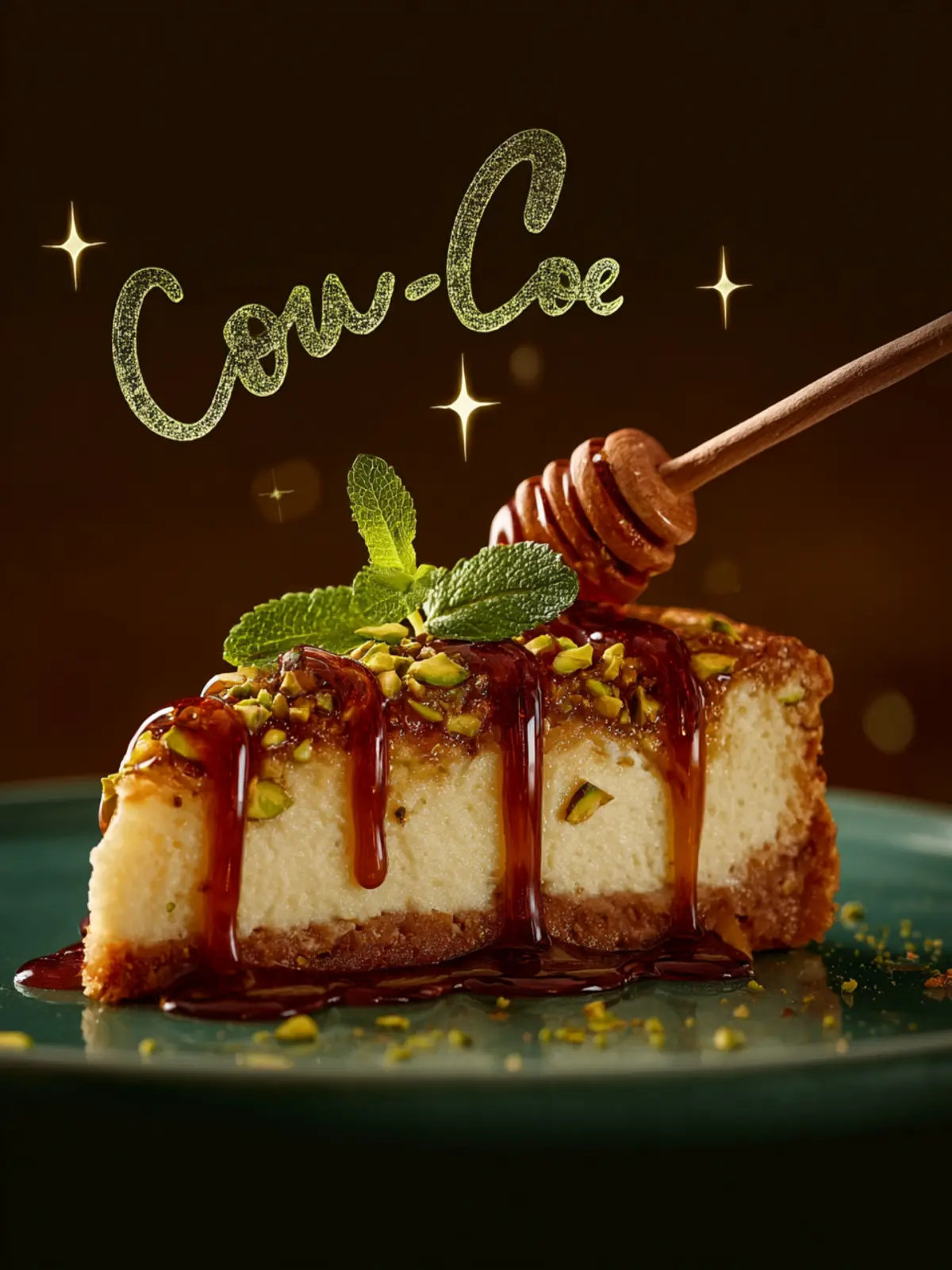
Baklava Cheesecake Recipe: Indulgent Delight You’ll Crave!

Introduction to Baklava Cheesecake Recipe
Imagine the sweet and nutty flavors of baklava lovingly marrying the rich creaminess of cheesecake; that’s exactly what you get with a baklava cheesecake recipe. This dreamy dessert combines flaky phyllo dough, layered nuts, and the lusciousness of cheesecake, creating a taste sensation that’s nothing short of divine. Whether you’re hosting a dinner party or simply treating yourself, this unique dessert is bound to leave a lasting impression on everyone who takes a bite.
Why is Baklava Cheesecake a must-try dessert?
The blend of textures and flavors in a baklava cheesecake is truly irresistible. You have the light, crispy layers of phyllo, the crunchy nuttiness from walnuts or pistachios, and the creamy texture of cheesecake that melts in your mouth. Each forkful delivers a delightful contrast that excites your taste buds. Plus, the +maple syrup or honey drizzle adds an extra layer of sweetness that beautifully complements the tangy cream cheese. It’s a rich yet balanced dessert that allows you to indulge without feeling overwhelmed—a true art in dessert making.
Not only is this recipe a crowd-pleaser, but it also gives you a chance to impress your friends and family with a stunning presentation. Just picture it: a gorgeous layered cheesecake topped with a sprinkle of chopped nuts and a drizzle of syrup, served fresh from the fridge. It’s bound to be the talk of the table!
Additionally, incorporating traditional baklava elements into a cheesecake is a creative way to celebrate cultural flavors while providing a familiar and comforting dessert experience. The versatility of this dessert makes it perfect for various occasions, from holiday celebrations to casual get-togethers.
So, if you’re ready to take your dessert game to the next level, the baklava cheesecake recipe awaits you. Let’s dive into this rich and flavorful treat that beautifully bridges two beloved desserts!
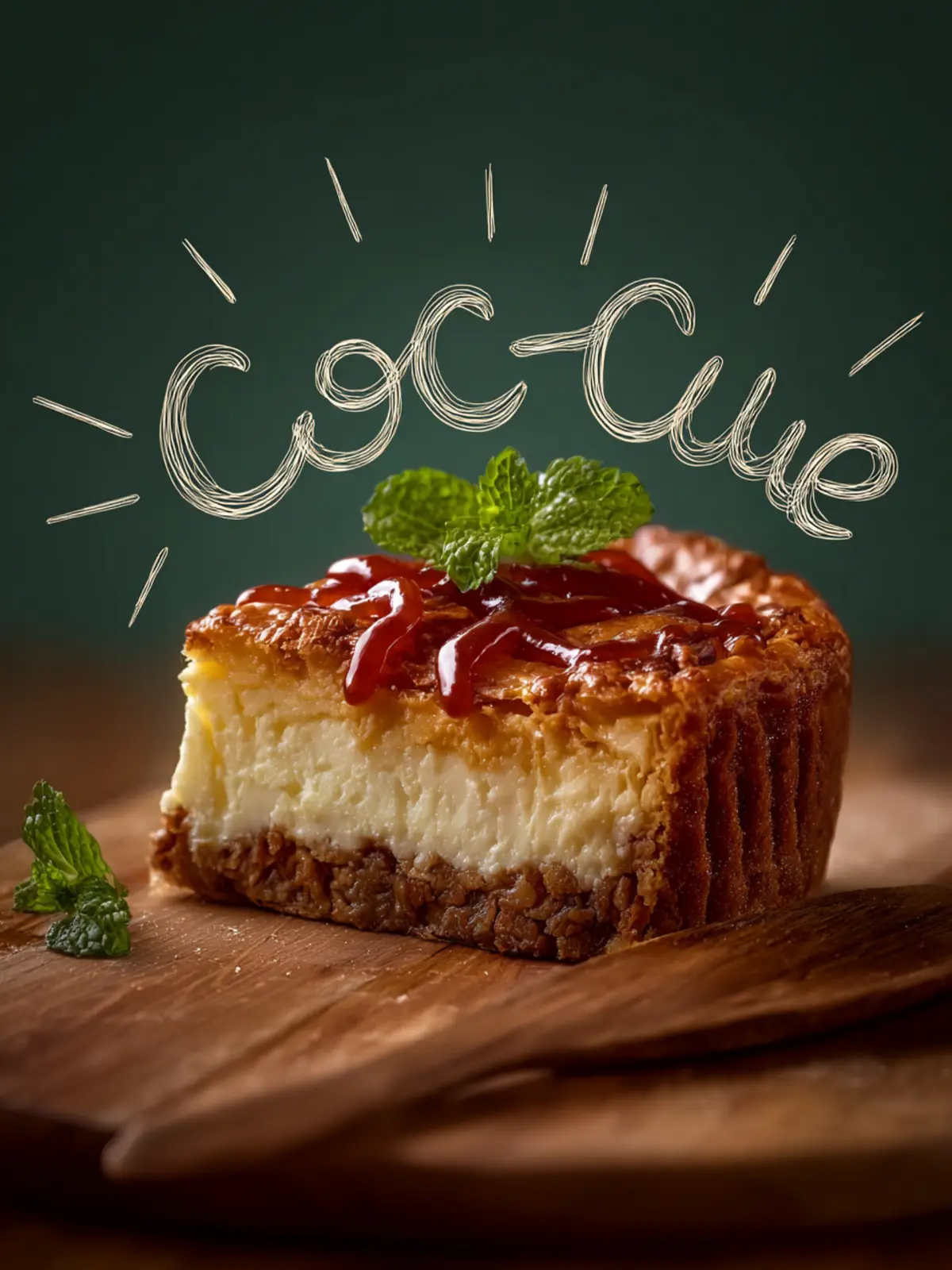
Key Ingredients for Baklava Cheesecake
Creating a decadent baklava cheesecake recipe requires a thoughtful blend of ingredients that pay homage to both classic baklava and creamy cheesecake. Each component brings its own charm, crafting a dessert that’s both familiar and novel.
-
Cream Cheese: The star of our cheesecake, cream cheese lends a rich and velvety texture. For the best results, opt for full-fat cream cheese. It beats beautifully and adds that indulgent creaminess we all crave.
-
Sugar: A combination of granulated and brown sugar is used here. Granulated sugar sweetens the filling, while brown sugar adds moisture and a hint of caramel flavor reminiscent of traditional baklava.
-
Eggs: Use large eggs to bind the ingredients together. They provide structure and stability while allowing for a light, airy texture that’s crucial in any cheesecake.
-
Phyllo Dough: This is where we get that signature baklava crunch! Layered with melted butter, phyllo dough adds a delightful texture and flavor that contrasts beautifully with the creamy cheesecake filling.
-
Nuts: Chopped walnuts or pistachios are key players in this dessert. They add crunch and nutty depth, mirroring the essence of baklava.
-
Honey: A drizzle of honey ensures that sweet, floral note that ties the flavors together beautifully.
By blending these diverse elements, this baklava cheesecake recipe transforms a beloved classic into something utterly unique and unforgettable.
Why You’ll Love This Baklava Cheesecake
Imagine indulging in a baklava cheesecake that delights your taste buds with every bite. This unique dessert beautifully marries two beloved classics: the nutty, honey-infused layers of baklava and the creamy, rich texture of cheesecake. You’ll love how this baklava cheesecake recipe transforms traditional flavors into a modern treat for gatherings or quiet nights at home.
A Flavor Symphony
- Nutty Goodness: The walnuts and pistachios bring a delightful crunch and depth to the cheesecake, reminiscent of the layers in authentic baklava.
- Sweet Harmony: With honey drizzled throughout, each slice captivates you with its balancing act of sweetness.
- Creamy Indulgence: The luscious cream cheese filling creates a contrast to the crisp phyllo crust, inviting you in for another slice.
Effort Meets Reward
Crafting this baklava cheesecake might seem like a labor of love, but it’s surprisingly straightforward. As you layer the ingredients, you’ll feel a sense of achievement knowing you’re creating something that will impress friends and family alike. Plus, with its stunning presentation, it doubles as the perfect centerpiece for any dessert table.
In short, this baklava cheesecake recipe promises to be a delightful addition to your dessert repertoire, blending familiar flavors in an unexpected way. You won’t just love it; you’ll want to share it!
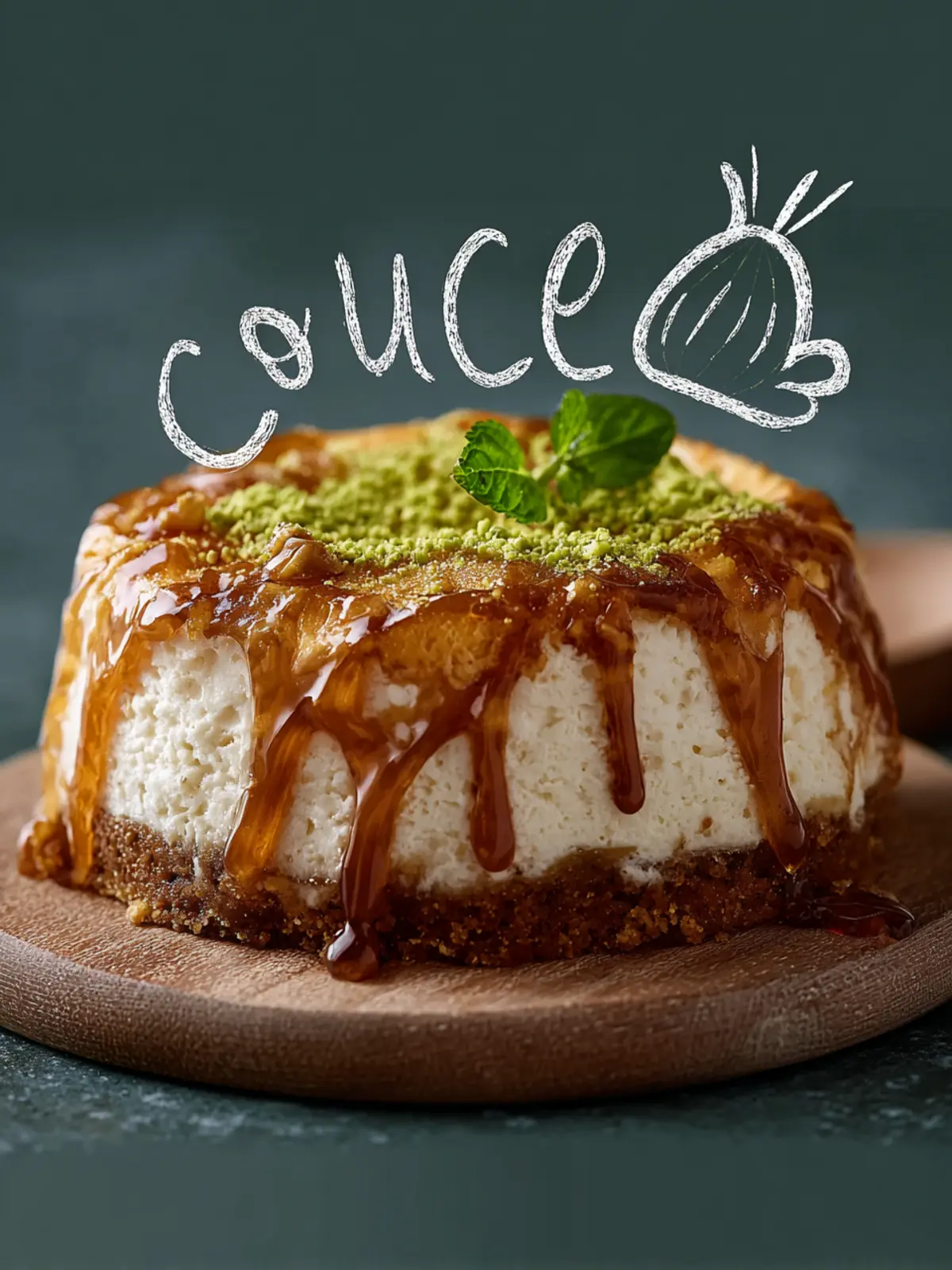
Tips for Making Perfect Baklava Cheesecake
Crafting the baklava cheesecake recipe you’ve been dreaming of is both an art and a science. With the right tips, you’ll elevate your dessert to a tantalizing treat that guests will rave about for weeks. Let’s dive into some essential insights that will guarantee your cheesecake shines.
Choose Quality Ingredients
To achieve optimal flavor, start with high-quality ingredients. Use real cream cheese for that rich, creamy texture and natural honey to embody the sweet notes of traditional baklava. Freshly chopped nuts such as walnuts or pistachios will add the perfect crunch and depth.
Prepare Your Phyllo Dough
For the crust, working with phyllo dough can be intimidating. Be sure to thaw it properly and cover it with a damp cloth to prevent drying out. Layering the sheets with melted butter is crucial; this creates that sought-after flaky texture while enhancing the flavor.
Let It Chill
Once assembled, allow your baklava cheesecake to chill for several hours, or ideally overnight. This time helps the flavors meld beautifully and ensures the structure holds when slicing.
Consider Presentation
Presentation matters! Drizzle your cheesecake with a bit more honey and sprinkle chopped nuts on top just before serving. Not only does this enhance the look, but it also reinforces those delightful baklava flavors.
With these tips, your baklava cheesecake recipe is destined to impress, so get ready for the compliments to roll in!
Time Details for Baklava Cheesecake
Creating a delicious baklava cheesecake recipe involves a bit of patience, but the result is absolutely worth it. Understanding the timing for each stage can make your baking experience smoother and more enjoyable!
Preparation Time
Start by setting aside about 30 minutes to prepare your ingredients and assemble the cheesecake. This includes chopping nuts, handling the phyllo dough, and mixing the cream cheese filling.
Baking Time
Once everything is set, your baklava cheesecake will need to bake for approximately 50-60 minutes. Keep an eye on it toward the end, ensuring it’s cooked through but not overdone.
Total Time
In total, you’re looking at around 1 hour and 30 minutes for the entire process. This includes prep and baking, leaving enough time to sip a cup of coffee while your cheesecake creates delicious aromas in your kitchen!
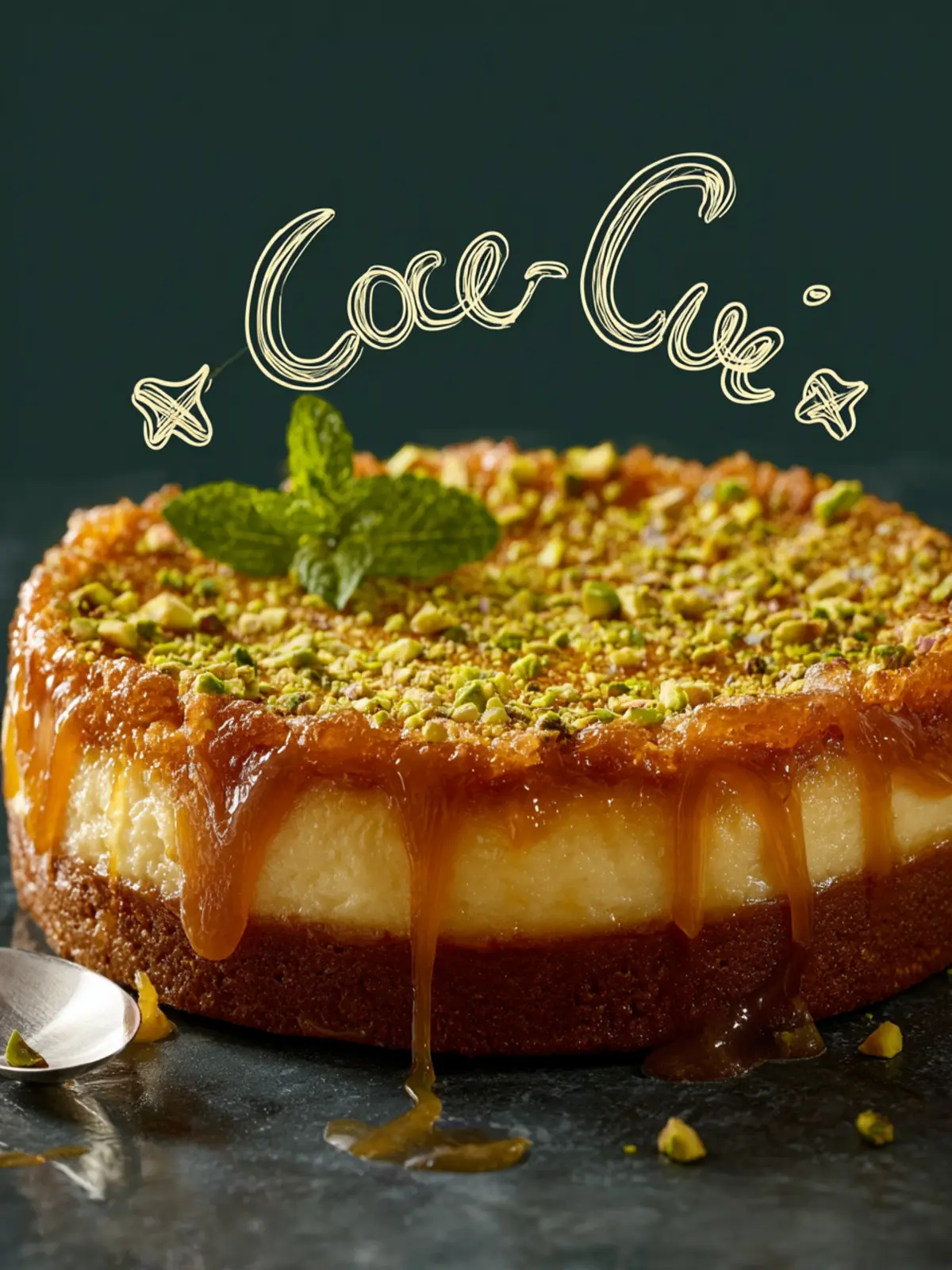
Nutritional Information for Baklava Cheesecake
When indulging in a delicious baklava cheesecake, understanding its nutritional profile can help you enjoy it mindfully. This delightful dessert blends creamy flavors and nutty goodness, making it a satisfying choice for sweet cravings.
Calories
A slice of this baklava cheesecake recipe typically contains around 320 calories. It’s a rich dessert that balances sweetness with a nutty crust, so portion control can help you stay on track while still satisfying your taste buds.
Protein
Each serving offers roughly 7 grams of protein. The cream cheese and nuts contribute to the overall protein content, making each bite not only decadent but also a bit more filling.
Sodium
With approximately 180 mg of sodium per slice, the baklava cheesecake is relatively moderate in sodium. This is ideal for those who are keeping an eye on their salt intake while still enjoying a richly flavored dessert.
Enjoy your baking, and remember, a little indulgence is always sweeter when you know what’s in it!
FAQs about Baklava Cheesecake
Exploring the delicious world of a Baklava Cheesecake can raise a few questions as you attempt to master this rich, layered dessert. Here’s a friendly guide to help you navigate through some common queries.
What can I use instead of cream cheese?
If you’re looking to replace cream cheese in your baklava cheesecake recipe, don’t worry; there are several excellent alternatives!
- Mascarpone Cheese: This Italian cream cheese is smoother and richer, providing a similarly creamy texture.
- Greek Yogurt: For a lighter option, Greek yogurt adds a tangy flavor, but be cautious with moisture levels; you may want to strain it a bit.
- Silken Tofu: For a dairy-free or vegan alternative, blended silken tofu works beautifully, yielding a smooth and creamy texture.
How do I prevent the filo pastry from drying out?
Filo pastry can be a bit finicky, but with a few tricks, you can keep it fresh and pliable while making your baklava cheesecake.
- Cover with a Damp Towel: As you work with the sheets, keep them covered with a damp kitchen towel to maintain moisture.
- Work Quickly: Filo dries out faster than you might think, so have everything prepared before you start layering.
- Butter Between Layers: Brushing melted butter between the layers not only adds flavor but also helps keep them moist while baking.
Can I make Baklava Cheesecake ahead of time?
Absolutely! Making your baklava cheesecake in advance can actually enhance its flavors as they meld together over time. Here are some tips for preparing it ahead:
- Refrigerate: Once your cheesecake is fully assembled, you can cover it and store it in the refrigerator for up to 2 days.
- Freeze: If you want to make it even earlier, consider freezing it. Just allow it to thaw in the refrigerator overnight before serving for the best texture.
With these answers, you’re all set to create a delightful baklava cheesecake that will impress friends and family alike!
Conclusion on Baklava Cheesecake
Creating this delightful baklava cheesecake recipe isn’t just about blending flavors; it’s about weaving together the rich traditions of Greek pastries with the creamy comfort of cheesecake. The end result is a dessert that celebrates both worlds, transforming a classic into something unique and memorable. As you take that first bite, let the flaky phyllo, warm spices, and luscious creaminess transport you. Whether you’re serving it at a gathering or savoring it solo, this cheesecake will leave a lasting impression. Dare to share it—your friends and family will be asking for seconds, maybe even thirds! Enjoy baking this sweet masterpiece!
Key Ingredients for the Baklava Cheesecake Recipe
Creating a delicious baklava cheesecake starts with choosing the right ingredients. Each element plays a vital role in building flavors and textures that harmoniously come together to elevate this dessert to new heights. Let’s dive into the essentials of our baklava cheesecake recipe.
Cream Cheese
This is the backbone of our cheesecake, providing that signature smooth and creamy texture. I recommend using full-fat cream cheese for the richest flavor and the best overall consistency. Don’t forget to let it soften at room temperature before mixing; this prevents lumps and ensures that lovely creamy texture we all crave in cheesecake.
Sugar
I stick to granulated sugar because it dissolves easily, allowing for a sweet and balanced flavor without any graininess. For added depth, you can even experiment with light brown sugar. It gives a hint of molasses flavor, which works beautifully with the nutty notes of baklava.
Eggs
Using large eggs is a must in this baklava cheesecake recipe. They not only help bind everything together but also contribute to the cake’s overall structure. Whisk them lightly and incorporate them gradually into the cream cheese mixture to avoid overmixing, which can lead to cracks once the cheesecake cools.
Vanilla Extract
Vanilla extract is crucial in masking any eggy taste and amplifying the richness of the cheesecake. Opt for pure vanilla extract over imitation for a more authentic flavor. A teaspoon is all you need to make your cheesecake tantalizingly fragrant.
Phyllo Dough
Please don’t overlook the importance of phyllo dough in replicating that signature baklava texture! I use fresh phyllo dough layered in a baking pan with melted butter brushed between each sheet. This creates a tender, flaky crust that’s reminiscent of the classic treat while providing a crunchy contrast to the creamy filling.
Nuts
Pistachios and walnuts are my go-to choices for this dessert. They add that essential crunch and depth of flavor, much like in traditional baklava. Make sure to chop them finely so they integrate smoothly into the cheesecake without overpowering the creamy texture.
Honey
Honey serves as both a natural sweetener and flavor enhancer, lending that classic baklava richness to your cheesecake. Drizzle it over the top before serving for an added touch of elegance. It also beautifully ties the nutty and creamy elements together, making every bite heavenly.
Spices
Don’t underestimate the power of spices! A hint of cinnamon and maybe a touch of nutmeg creates a warm, aromatic experience that brings out the best in both the baklava and the cheesecake elements. Just a teaspoon sprinkled in will suffice; it complements the other flavors rather than overwhelms them.
These key ingredients not only provide the foundation of our baklava cheesecake recipe but also tell a story of tradition and innovation. Each component reflects the rich history of baklava while inviting a delightful twist with cheesecake. Are you ready to transform these ingredients into a luscious dessert? Let’s make some magic happen!
Step-by-Step Instructions for Baklava Cheesecake
Creating a baklava cheesecake is a delightful journey that combines the warmth of Middle Eastern flavors with the creamy richness of cheesecake. Let’s dive into the easy steps to make this indulgent dessert.
Prepping the Filo Pastry
Start by preheating your oven to 350°F (175°C). Unroll the filo pastry, laying it flat on a clean surface. Take a moment to cut it into sheets that will fit your baking dish. This delicate pastry can dry out quickly, so cover it with a damp cloth while you work. Brush each sheet with melted butter before stacking them. This adds that signature flaky texture that we adore about baklava.
Making the Cheesecake Filling
In a large mixing bowl, combine cream cheese, sugar, eggs, and a touch of vanilla extract. Beat the mixture until smooth and creamy. For added flavor, consider folding in some finely chopped walnuts or pistachios. This not only enhances the taste but also adds a delightful crunch that mirrors traditional baklava.
Layering the Filo and Filling
Begin layering by placing a sheet of the buttered filo in your prepared dish, followed by a generous layer of the cheesecake filling. Repeat this process, alternating between layers of filo and filling. Aim for about 5-7 layers of filo at the bottom and top, interspersed with the creamy filling. The goal is to achieve a harmonious balance between crunchy and creamy.
Baking and Cooling Process
Once layered, bake your baklava cheesecake in the preheated oven for 45-50 minutes or until the top is golden brown. Remove it from the oven and let it cool in the pan. This step is crucial, as it allows the flavors to meld together. Once cooled to room temperature, chill it in the refrigerator for at least two hours.
Preparing the Honey Syrup
While your cheesecake cools, prepare the honey syrup to drizzle on top. Combine equal parts honey and water in a saucepan and bring to a gentle boil. Let it simmer for about 10 minutes until slightly thickened. Once your cheesecake is chilled, pour the warm syrup over the top, letting it soak in for a truly decadent finish.
With each step, you’re not just creating a dessert; you’re crafting a memorable experience with the perfect blend of textures and flavors. Enjoy your baklava cheesecake!
Popular Variations of Baklava Cheesecake
Indulging in a baklava cheesecake recipe transports your taste buds to a world where creamy decadence meets the delightful crunch of nutty baklava layers. To elevate your dessert experience, consider embracing some popular variations that add a personal touch to this already scrumptious fusion.
Nut Variations
While traditional baklava typically features walnuts or pistachios, you can explore other nuts to customize your cheesecake. Almonds bring a sweet, delicate flavor, making for a lighter texture. Hazelnuts contribute a rich, buttery taste, creating a unique twist. Don’t hesitate to mix and match to find your perfect combination!
Infused Flavors
Adding infused flavors can truly make a baklava cheesecake recipe your own. Consider incorporating a hint of orange blossom or rose water into your cream cheese mixture for a fragrant touch. For those who enjoy a spice kick, a sprinkle of cinnamon or cardamom can give it a warm and inviting aroma that complements the sweetness beautifully.
Seasonal Ingredients
Seasonal ingredients can offer your cheesecake a fresh spin. In the fall, try adding pumpkin puree to your filling for a warm, comforting flavor. Summer berries—think blueberries or strawberries—can also create a bright, fruity addition that’s perfect for a lightened-up version. Adapting your ingredients to the season not only keeps things interesting but also enhances the dish with vibrant flavors.
With these variations, your baklava cheesecake will not just be a dessert, but a heartfelt culinary expression that reflects your unique taste!
Serving Suggestions for Baklava Cheesecake
When you dive into this baklava cheesecake recipe, you’re not just enjoying dessert; you’re indulging in a delightful fusion of flavors that deserves a special presentation.
Creative Ways to Present Your Cheesecake
Elevate your baklava cheesecake by serving it on a decorative platter, garnished with crushed pistachios and a drizzle of honey. Consider placing each slice on small, elegant dessert plates for a sophisticated touch. A sprig of mint can add a pop of color and freshness that enhances the visual appeal.
Complementary Beverages
Pair your cheesecake with a warm cup of spiced chai or a refreshing mint tea. Both beverages harmonize beautifully with the rich and nutty flavors of the cheesecake. If you’re in the mood for something a little stronger, a glass of sweet dessert wine or a light-bodied white wine works wonders too!
Perfect Occasions for Enjoying
Whether it’s a casual get-together or a formal dinner party, this baklava cheesecake shines at every occasion. Serve it as a stunning centerpiece at holiday celebrations or as a comforting dessert after a family dinner. It’s sure to impress your guests and spark conversation!
Key Ingredients for the Baklava Cheesecake Recipe
Creating the perfect baklava cheesecake recipe is all about the balance between the rich, creamy flavors of cheesecake and the sweet, nutty notes of baklava. Let’s take a closer look at the key ingredients that make this delightful dessert an absolute showstopper.
Cream Cheese
At the heart of any great cheesecake is high-quality cream cheese. I always opt for full-fat cream cheese because it gives the cheesecake that rich, velvety texture we crave. Be sure to let it come to room temperature before mixing, as this helps to prevent lumps and ensures a smooth filling.
Sugar
For sweetness, granulated sugar is my go-to. I use it generously to create a perfect sweetness that beautifully offsets the creamy cheese. In this recipe, it’s also mixed with the nuts for that classic baklava flavor, contributing to the overall richness and depth.
Eggs
Incorporating eggs into the batter is crucial for achieving that luscious texture. I always use large eggs, as they provide enough moisture and binding capacity. The key here is to add them one at a time, allowing each to fully incorporate before adding the next. This technique really helps in maintaining a smooth, lump-free filling.
Phyllo Dough
No baklava cheesecake recipe would be complete without phyllo dough! This is what gives the dessert its signature flaky, layered texture. I recommend using fresh phyllo if you can. Working with phyllo can be tricky because it dries out quickly, so cover it with a damp towel while you’re assembling the layers to keep it moist.
Nuts
Chopped nuts, specifically walnuts or pistachios, are crucial for that quintessential baklava flavor. I love using a mix of both, as it adds texture and a beautiful crunch. When you toast them slightly, their flavor intensifies, making the cheesecake that much more delightful.
Butter
Melted butter plays a dual role in this recipe: it adds richness while also acting as the glue that holds the phyllo layers together. I usually combine it with a hint of cinnamon for that warm, spiced aroma that perfectly complements the overall flavor profile.
Honey
A drizzle of honey ties it all together, embodying the essence of traditional baklava. I prefer using a high-quality honey, as the flavor can vary greatly. The sweetness from the honey helps to balance out the tanginess of the cream cheese, making every bite a harmonious experience.
Vanilla Extract
Last but not least, don’t forget a splash of pure vanilla extract! This is the secret weapon that enhances all the other flavors, providing a lovely aromatic layer that makes your cheesecake unforgettable. While imitation vanilla will do in a pinch, real vanilla elevates the dish to a whole new level.
By thoughtfully selecting and preparing these ingredients, you set the stage for a baklava cheesecake recipe that will impress your family and friends. Each element plays a vital role in crafting a dessert that is not just a treat for the taste buds but also a feast for the eyes. So roll up your sleeves and let’s turn your kitchen into a haven of delicious scents and flavors!
Cooking Tips and Notes for Baklava Cheesecake
Creating the perfect baklava cheesecake recipe involves a few crucial tips to elevate your dessert game. Let’s dive into essential techniques that ensure a beautifully textured and balanced treat.
Avoiding a Soggy Crust
A soggy crust can ruin your baklava cheesecake experience! To prevent this, make sure to:
- Pre-bake the crust: This seals in moisture and creates a barrier.
- Use butter generously: Coating the phyllo dough with melted butter before layering helps it bake to a golden crisp rather than becoming limp.
- Cool before filling: Allowing the crust to cool slightly before adding the cheesecake mixture helps maintain its crunch.
Balancing Sweetness
When crafting your baklava cheesecake recipe, balancing sweetness is key to a delightful flavor profile. Here are some tried-and-true strategies:
- Taste as you go: Incorporate the honey and sugar slowly, ensuring they don’t overwhelm the cheesecake’s natural flavors.
- Use citrus zest: Adding lemon or orange zest can help counteract sweetness while enhancing the overall taste.
- Select quality ingredients: High-quality nuts and honey can greatly influence both the flavor and sweetness of your dessert.
Adjusting Baking Times
The baking time can vary based on your oven and cheesecake thickness.
- Don’t rush it: Start checking for doneness a few minutes earlier than recommended. The cheesecake is ready when the edges are set but the center still jiggles slightly.
- Cooling period: Allow the cheesecake to cool completely in the oven with the door ajar to prevent cracks, then chill in the fridge for several hours for the best texture.
With these tips in hand, you’re well on your way to mastering your baklava cheesecake recipe! Enjoy the process, and don’t hesitate to experiment until it’s just how you like it.
Time Breakdown for Baklava Cheesecake
Creating a decadent baklava cheesecake is a delightful experience that combines the beloved flavors of baklava with the creaminess of cheesecake. Understanding the time commitment can make it even more enjoyable.
Preparation Time
The journey begins with about 30 minutes of prep. During this time, you’ll blend the buttery phyllo dough with the mouthwatering nut filling, ensuring every layer is rich and flavorful.
Baking Time
Next, allow 60 to 75 minutes for baking. This is where the magic happens, as the cheesecake sets perfectly and the aromas fill your kitchen.
Total Time
In total, you’re looking at approximately 1.5 to 2 hours for the entire process, not including cooling. But trust me, the effort is well worth it for the creamy, nutty goodness that awaits!
The Essential Ingredients for Baklava Cheesecake
Creating the ultimate baklava cheesecake recipe starts with choosing the right ingredients. You’ll want to make sure each element contributes to that perfect balance of flavors and textures that represents both baklava and cheesecake. Here’s what you’ll need:
Phyllo Dough: The foundation of our baklava-inspired crust, phyllo dough brings a flaky and crispy texture. For convenience, opt for store-bought sheets; just be sure to thaw them properly before assembling. The layers create a beautiful contrast against the rich cheesecake filling, giving that classic baklava crunch.
Butter: A staple in both baklava and cheesecake, butter plays an essential role in this dessert. I brush the phyllo layers with melted butter to achieve that golden color and rich flavor, while also mixing some into the cheesecake filling itself. It adds creaminess and depth that elevates the overall taste.
Nuts: A traditional baklava ingredient, nuts are crucial for achieving that authentic flavor. I recommend a combination of finely chopped walnuts and pistachios for both crunch and a pop of color. They add not only texture but also a delightful nutty sweetness.
Sugar: Granulated sugar sweetens the cheesecake filling and balances out the flavors. I like using a little less sugar than you might find in standard cheesecake recipes since the nuts and the honey syrup will contribute extra sweetness when mixed in.
Cream Cheese: The heart of our cheesecake, this ingredient is non-negotiable. I always opt for full-fat cream cheese, as it creates that luxurious, creamy texture we all love. Let it come to room temperature before mixing, ensuring a smooth consistency without lumps.
Eggs: For binding and creating the right texture, eggs are essential. Room-temperature eggs incorporate more easily into the batter, leading to a smoother filling. I whip in whole eggs for richness, giving us that beautiful firm texture as it bakes.
Vanilla Extract: A splash of vanilla extract rounds out the flavor. While often seen as an optional addition in some dishes, for me, it’s a must-have in baking. A hint of vanilla complements the nuts and enhances the overall flavor profile of the cheesecake.
Honey: To give our cheesecake that distinct baklava flavor, honey is drizzled into the cream cheese mixture. It adds a floral sweetness, reminiscent of traditional baklava, making this dessert feel indulgent and special.
Spices: A small pinch of ground cinnamon will bring warmth and enhance the nutty flavors, tying everything together. While not overpowering, it creates a familiar scent that evokes the essence of baklava.
By selecting these ingredients thoughtfully, you’re setting yourself up for success in crafting a baklava cheesecake recipe that both you and your guests will love. Each component plays a role in creating that delicate balance of sweetness, creaminess, and that irresistible crunch. Happy baking!
Details to Remember for Baklava Cheesecake
When you dive into this exquisite baklava cheesecake recipe, you’ll discover the joy of melding rich, creamy cheesecake with the nutty, sweet notes of classic baklava—a timeless dessert that brings warmth and comfort. Keeping a few details in mind will ensure your baking experience is as delightful as the dessert itself.
Storage Instructions
To preserve the lusciousness of your baklava cheesecake, store it in an airtight container in the refrigerator. It can last for up to 5 days. Just remember to keep the layers intact to maintain the delightful textures. If you’re enjoying leftovers, cover them with plastic wrap to keep the moisture at bay.
Reheating Tips
If you prefer your cheesecake slightly warm, the best method is to allow it to sit at room temperature for about 30 minutes before serving. Should you need to heat it up, use the oven at a low setting (around 300°F) for about 10 minutes. This gentle reheating helps avoid drying out the creamy cheesecake while enhancing its flavors.
Embrace these tips, and your baklava cheesecake will shine at every gathering!
Nutritional Breakdown for Baklava Cheesecake
Every bite of Baklava Cheesecake is an exquisite dance of flavors that satisfies your sweet tooth while enriching your palate. Let’s dive into a detailed nutritional breakdown to help you enjoy this dessert mindfully.
Dietary Considerations
- Calories: This baklava cheesecake recipe is both rich and indulgent, clocking in at around 400–500 calories per serving, depending on portion size.
- Fats: With a mix of cream cheese and butter, you’ll find a higher fat content here, mostly from healthy sources.
- Sugars: The distinct sweetness comes from honey and sugar, contributing to its approximately 30g of sugars per slice.
- Protein: Thanks to the cream cheese and eggs, you get about 6g of protein, making it a satisfying dessert.
Common Substitutions
- Cream Cheese: If you’re looking for a lighter option, consider using Neufchâtel cheese.
- Honey: Maple syrup or agave nectar can be used as a vegan substitute for honey.
- Nuts: Swap out walnuts for pistachios or almonds if you prefer a different flavor profile.
- Gluten-Free: Use gluten-free phyllo dough for the crust to accommodate gluten sensitivities.
Enjoy your journey making this delectable Baklava Cheesecake!
Key Ingredients in the Baklava Cheesecake Recipe
Each ingredient in this Baklava Cheesecake Recipe is a vital part of creating this stunning dessert that perfectly blends two beloved treats. Here’s a closer look at what you’ll need and how each element contributes to the flavor and texture of this indulgent cheesecake.
Cream Cheese: The star ingredient for the cheesecake base, I always opt for full-fat cream cheese. It provides a rich, smooth texture that’s crucial for the creaminess we’re after. Soften it to room temperature for easy blending, ensuring your cheesecake is luxuriously velvety.
Greek Yogurt: Adding Greek yogurt to the mix not only enhances the creaminess but also gives a subtle tang that balances out the sweetness of the baklava elements. It’s also loaded with protein, making this dessert a bit more wholesome and satisfying.
Sugar: I use a mixture of granulated sugar and powdered sugar. Granulated sugar helps sweeten the cream cheese mixture, while powdered sugar is perfect for achieving that smooth texture without any graininess. The right balance is key to a perfect cheesecake.
Eggs: Eggs act as a binding agent in this recipe, providing structure to your cheesecake. Make sure they are at room temperature; this helps them blend seamlessly into the batter for an even consistency.
Phyllo Dough: The layers of phyllo dough form the delightful crust that mimics traditional baklava. I recommend using fresh phyllo for the flakiness, but if you go with frozen, make sure to thaw it properly. Each layer brushed with melted butter will provide that characteristic crispy texture.
Nuts: A mix of finely chopped walnuts and pistachios adds crunch and depth to the baklava-inspired topping. These nuts not only enhance the flavor but also give a nod to the traditional baklava experience. Lightly toasting the nuts before adding them provides an extra layer of nuttiness.
Honey: Incorporating honey into the baklava cheesecake gives that signature sweetness reminiscent of traditional baklava. Drizzling it over the finished cheesecake creates a lovely glaze that ties all the elements together.
Cinnamon: A warm hint of cinnamon is essential in both the cheesecake and the topping. It perfectly complements the nuts and honey, ensuring each bite is filled with comforting flavors that transport you to the heart of Mediterranean kitchens.
These ingredients are not just components; they tell a story rich with cultural traditions and delightful flavors. As you gather and prepare them, think about the sweet memories you’ll create while your baklava cheesecake bakes to perfection.
Frequently Asked Questions About Baklava Cheesecake
When you dive into the world of baklava cheesecake, you embark on a sweet journey blending two beloved desserts into one decadent treat. As you prepare this delicious fusion, you might find yourself with some questions. Let’s tackle a few frequently asked questions to set you up for success!
Is Baklava Cheesecake gluten-free?
Typically, traditional baklava uses phyllo dough, which contains gluten. The baklava cheesecake recipe can be adapted for gluten-free diets by substituting the phyllo with gluten-free alternatives, such as crushed gluten-free cookies or a gluten-free pie crust. Just because you’re avoiding gluten doesn’t mean you have to miss out on this delightful dessert!
What alternatives exist for the honey syrup?
If you’re not a fan of honey or you want a vegan option, consider using maple syrup or agave nectar. These substitutes offer a similar sweetness and can enhance the flavor profile of your baklava cheesecake. For a lower-calorie option, you might explore sugar-free syrup alternatives available in stores that fit your dietary needs.
How can I adjust this recipe for allergies?
To tailor the baklava cheesecake recipe for specific allergies, consider these options:
- Nut allergies: Use seeds, like sunflower or pumpkin seeds, in place of nuts to add texture.
- Dairy allergies: Substitute cream cheese with a dairy-free cream cheese alternative, and use coconut milk or almond milk instead of regular milk.
- Egg allergies: Replace eggs with a flaxseed meal mixture (1 tablespoon of flaxseed mixed with 2.5 tablespoons of water, allowed to sit until it thickens) for binding.
With a few thoughtful substitutions, everyone can enjoy this lovely treat.
Final Thoughts on Baklava Cheesecake
Encouragement to Try
Daring to blend traditional flavors with new concepts can yield delightful surprises, just like this baklava cheesecake recipe. Don’t shy away from experimenting in the kitchen! Each step will deepen your connection to both the recipe and the delicious results.
Loving Homemade Desserts
There’s something uniquely satisfying about homemade desserts. As you layer the flaky pastry, creamy cheesecake, and nutty filling, you’re not just creating a dish; you’re crafting memories to share with family and friends. Homemade treats bring people together, and this baklava cheesecake is bound to be a conversation starter at any gathering.
Keeping Tradition While Innovating
While you innovate with this cheesecake, you’re still honoring the essence of baklava, a dessert rich in history. Blending Greek and Middle Eastern elements, this recipe reflects a beautiful culinary journey. By reimagining baklava into cheesecake form, you’re keeping tradition alive in a fun and modern way. Enjoy every bite!
Print
Rose Water Cheesecake with Filo Pastry
- Total Time: 1 hour 30 minutes
- Yield: 8 servings 1x
- Diet: Vegetarian
Description
This delicious cheesecake features layers of crispy filo pastry, a creamy filling, and a fragrant rosewater syrup.
Ingredients
Scale
- 1 pack (250g or 10 sheets) Filo pastry, store-bought
- 50 g (¼ cup) Unsalted butter, melted but not hot
- 140 g (1¼ cups) Roasted walnuts, whole then pulse blended
- 450 g (2 cups) Cream cheese, full-fat, room temperature
- 100 g (½ cup) Granulated sugar
- 15 g (2 tbsp) All-purpose flour, sieved
- 3 Eggs, at room temperature
- 75 g (⅓ cup) Heavy cream, at least 36% fat, room temperature
- 120 g (½ cup) Water
- 70 g (⅓ cup) Granulated sugar
- 50 g (¼ cup) Honey
- Juice of ½ lemon
- Zest of ½ lemon, peeled into 2–3 pieces
- 1 medium cinnamon stick
- 1 tbsp 100% natural rosewater
- 1 tbsp Dried rose petals
- 2 tbsp Pistachio nuts, chopped
Instructions
- Preheat the oven to 200°C (392°F) without fan. Spread walnuts on an oven tray and roast for 5-10 minutes until fragrant but not burnt. Remove from oven.
- Reduce oven temperature to 180°C (356°F) without fan. Pulse the roasted walnuts in a food processor into tiny pieces, avoiding a flour-like texture. Alternatively, chop finely by hand.
- In a large bowl, use an electric hand whisk to cream together the room-temperature cream cheese and granulated sugar for 1-2 minutes until fluffy. Mix in the sieved flour. Add the eggs one at a time, followed by the heavy cream, mixing gently until just combined. Do not over-mix.
- Melt the butter in the microwave and set aside. Unwrap the filo sheets and place them between two very lightly damp tea towels to prevent drying out.
- Generously butter the bottom and sides of a springform pan. Lay 2 sheets of filo in the pan, brush with melted butter, and sprinkle with chopped walnuts. Repeat this layering four times (total 8 sheets and walnuts layered).
- Place 2 more sheets of filo pastry on top, then pour the cream cheese filling evenly over the filo layers. Trim filo edges with scissors to be level with the pan rim.
- Bake for 45 minutes at 180°C (356°F), then gently remove the sides of the springform pan and continue baking for another 25 minutes to allow the filo on the sides to become golden brown. Adjust baking time if needed. If browning too fast, cover with foil.
- In a saucepan, combine water, sugar, honey, lemon juice, lemon zest, and cinnamon stick. Bring to a boil and simmer for 5-10 minutes until slightly thickened to syrup consistency. Remove from heat, strain out lemon zest and cinnamon stick, then stir in rosewater.
- Pour the warm syrup evenly over the hot cheesecake, focusing on the filo edges with less in the center. Let the cheesecake cool to room temperature, then chill in the refrigerator for at least 2 hours to set.
- Garnish with chopped pistachios and dried rose petals if desired. Serve fresh or store refrigerated for 2-3 days.
Notes
- This cheesecake is best served chilled.
- Ensure the filo pastry is properly covered to prevent it from drying out during assembly.
- Prep Time: 30 minutes
- Cook Time: 1 hour
- Category: Dessert
- Method: Baking
- Cuisine: Middle Eastern
Nutrition
- Serving Size: 1 slice
- Calories: 350
- Sugar: 25g
- Sodium: 150mg
- Fat: 24g
- Saturated Fat: 12g
- Unsaturated Fat: 10g
- Trans Fat: 0g
- Carbohydrates: 30g
- Fiber: 1g
- Protein: 5g
- Cholesterol: 100mg