Follow Me On Social Media!

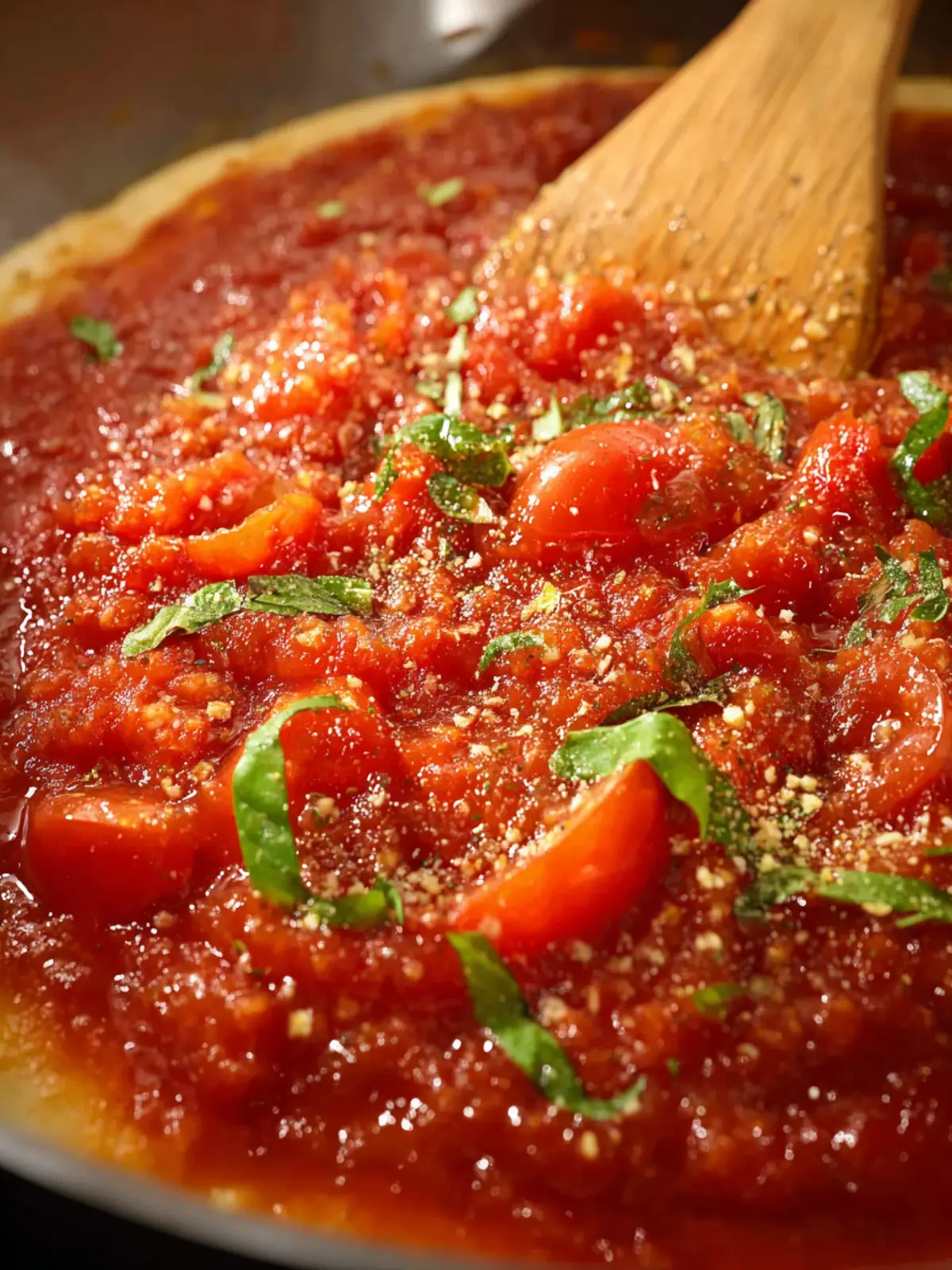
Pizza Sauce Made Perfect: The Best Recipe for Flavor Lovers

Introduction to Pizza Sauce
Creating your own pizza sauce at home is like giving your pizza a beautiful canvas painted with flavors and love. There’s something truly charming about crafting a sauce from scratch—it’s a culinary journey that not only tantalizes your taste buds but also transforms a simple pie into an epic masterpiece. What can be more satisfying than a bubbling cheese pizza on a Friday night, topped with a rich, homemade sauce that you’ve poured your heart into?
Imagine it: inviting friends over, the aroma of simmering tomatoes and spices wafting through your kitchen. Whether it’s a cozy night in or an impromptu gathering, having a delicious, homemade pizza sauce can elevate those moments into something memorable.
What makes homemade pizza sauce so special?
The beauty of pizza sauce lies in its simplicity, allowing the natural flavors of the ingredients to shine. Here’s why making your own sauce is an experience worth trying:
-
Quality Ingredients: When you make sauce at home, you choose the freshest ingredients. Don’t settle for dull pre-made sauces packed with preservatives. Instead, opt for ripe tomatoes, fresh herbs, and quality oils for the best flavor.
-
Customizable Flavor: Ever wonder why your favorite pizza joint’s sauce hits just right? It all comes down to their secret blend of spices. By making your own, you can control the balance of garlic, oregano, basil, and even a pinch of chili for that perfect kick.
-
Freshness: Homemade sauce means fresh, vibrant flavors that no jar can replicate. When you simmer tomatoes with garlic and herbs, the aroma alone is enough to make your mouth water.
-
Culinary Creativity: Making your own sauce opens up a world of culinary experimentation. Want to add a hint of smoked paprika or a splash of red wine? Go for it! Your sauce is a reflection of your taste.
So, roll up your sleeves and get ready to dive into the world of homemade pizza sauce. It’s not just about the end result; it’s about the journey—one that brings joy, flavors, and unforgettable gatherings right to your table.

Key Ingredients for Pizza Sauce
Creating an unforgettable pizza sauce is an art, and each ingredient plays a vital role in crafting that perfect flavor. The journey to a savory sauce begins with a few simple yet essential components.
Tomatoes: For the heart of your pizza sauce, it’s hard to beat the richness of San Marzano tomatoes. Their natural sweetness and low acidity create a balanced base that elevates the entire dish. If you can’t find them, any quality canned tomatoes will do just fine.
Olive Oil: A drizzle of extra virgin olive oil not only adds a smooth texture but also a layer of richness. It helps in blending the flavors beautifully, making your sauce both aromatic and delicious.
Garlic: Fresh garlic is a game-changer! It provides an essential aromatic quality and a touch of warmth. Roasting the garlic before adding it to your sauce can also deepen its flavor profile.
Herbs: Fresh or dried oregano, basil, and a pinch of red pepper flakes can transform your pizza sauce from good to extraordinary. These herbs bring a classic Italian feel to your sauce and enhance the freshness of the tomatoes.
Salt & Sugar: A little salt is necessary to elevate all the flavors, while a hint of sugar can balance the acidity of the tomatoes, creating a well-rounded sauce that’s irresistible.
Embrace these key ingredients, and you’ll end up with a pizza sauce that has everyone coming back for another slice!
Why You’ll Love This Pizza Sauce
Crafting the perfect pizza starts with a pizza sauce that elevates your homemade creation to a whole new level. Picture this: it’s a Friday night, the aroma of fresh tomatoes fills your kitchen, and you’re about to whip up an irresistible sauce that will have friends and family asking for seconds.
One of the standout features of this pizza sauce is its simplicity. Made from just a few quality ingredients, it embodies the essence of Italian cooking. Here’s why you’ll adore it:
-
Freshness You Can Taste: The use of fresh tomatoes as your base gives the sauce a vibrant flavor that canned options can’t replicate. When you bite into your pizza, the freshness of the ingredients truly impacts the whole experience.
-
Customizable for Your Palette: Whether you like a hint of garlic, a kick of spice, or fresh herbs, this pizza sauce can easily adapt to what’s in your pantry or your flavor preferences.
-
Quick and Easy: In just a matter of minutes, you’ll have a bubbling pot of sauce ready to slather on your dough. Who doesn’t love a speedy recipe that doesn’t skimp on flavor?
Embrace the joy of making your own pizza sauce and turn any pizza night into a delicious affair. With just the right balance of tangy and sweet, it’ll have you savoring every bite!

Variations of Pizza Sauce
Crafting the perfect pizza sauce invites a world of delicious possibilities that can elevate your homemade pie.
Classic Tomato-Based Sauce
The original pizza sauce is typically made from crushed tomatoes, garlic, and herbs. This classic version offers a bright, tangy flavor that complements any topping. Simply sauté garlic, add crushed tomatoes, and season with a touch of oregano and basil.
Spicy Arrabbiata Sauce
If you’re in the mood for a kick, try a spicy pizza sauce. With the addition of red pepper flakes and a splash of olive oil, this sauce brings heat to every bite. Just mix it with your base ingredients for an extra layer of flavor.
White Sauce or Alfredo
For those who prefer a creamier taste, consider a white sauce made with butter, cream, and Parmesan cheese. This variation works beautifully with toppings like spinach and artichokes, creating a rich and decadent pizza.
BBQ Sauce Twist
Add a bit of sweetness and tang to your pizza sauce by incorporating barbecue sauce. This unique twist goes particularly well with chicken and bacon toppings, transforming your pizza into a flavorful masterpiece.
Exploring these variations can make your pizza night a culinary adventure!
Cooking Tips and Notes for Pizza Sauce
Creating the perfect pizza sauce is like drawing the first brush strokes on a blank canvas; it sets the stage for a delicious masterpiece. Here are some culinary insights to elevate your pizza sauce game and ensure it’s packed with flavor and personality.
Choose Your Tomatoes Wisely
The base of any good pizza sauce is the tomatoes. Opt for San Marzano tomatoes if you can find them; their rich flavor and low acidity truly make a difference. For a quicker option, canned whole tomatoes can work beautifully when blended.
Spice It Up
While garlic and onions are staples in many sauces, consider adding a pinch of red pepper flakes for a subtle kick. Fresh or dried herbs like basil and oregano can also enhance the flavor profile. Remember, always taste as you go; adjusting seasoning mid-cook is an art!
Balance is Key
A splash of balsamic vinegar or honey can help balance the acidity of the tomatoes. This simple trick transforms the sauce from good to incredible. Just a teaspoon can brighten up the flavors without making it sweet.
Let It Simmer
Don’t rush the cooking process. Allowing your pizza sauce to simmer for at least 20-30 minutes helps the flavors meld together beautifully. Plus, the aroma that fills your kitchen is unbeatable and truly transforms cooking into an experience.
Store for Later
Make a double batch and store any leftovers in an airtight container! The sauce freezes well, preserving the tantalizing flavors for your next pizza night. Just thaw and heat, and you’re all set for a quick meal!
With these tips in mind, your pizza sauce will surely impress family and friends, making every pizza night a delightful event.

Serving Suggestions for Pizza Sauce
Bringing a batch of delicious pizza sauce to life is just the beginning of your culinary adventure. Once you’ve perfected this rich tomato blend, the real joy lies in how to serve it!
For Traditional Pizzas
- Classic Margherita: Layer your pizza sauce with fresh mozzarella, basil leaves, and a drizzle of olive oil for a fresh, authentic Italian experience.
- Pepperoni Delight: Spread the sauce generously, then top with mozzarella and your favorite pepperoni for timeless satisfaction.
Beyond Pizzas
- Dipping Sauce: Serve warm pizza sauce as a flavorful dip for garlic knots or crusty breadsticks. It brings a delightful twist to your appetizer spread!
- Pasta Sauce: Why not get creative? Toss your pizza sauce with pasta, fresh veggies, and a sprinkle of parmesan for an easy weeknight dinner.
Enhance Your Serving
- Extra Toppings on the Side: Consider offering toppings like crushed red pepper flakes, extra oregano, or fresh grated cheese for guests to customize their slices.
Embrace the versatility of your pizza sauce, and turn each meal into a flavorful experience!
Time Breakdown for Pizza Sauce
Making the perfect pizza sauce can be an adventure, full of vibrant flavors that dance on your palate. The time you invest in preparing this homemade delight will ensure that your pizzas stand out.
Preparation Time
Gathering the ingredients and blending them makes for a quick prep session. Expect to spend about 10 minutes chopping, measuring, and mixing to create a flavorful base for your sauce.
Cooking Time
The magic really begins when you cook the sauce. Allow around 20 minutes for simmering on the stovetop, letting those flavors meld beautifully.
Total Time
In just 30 minutes, your pizza sauce will be ready! This quick and easy timeline means more time enjoying your pizza with friends and family, and less time in the kitchen. Enjoy!
Nutritional Facts for Pizza Sauce
Creating a top-notch pizza sauce is not only about flavor; it’s also beneficial to understand the nutritional value behind it. Here’s a friendly breakdown of what makes this sauce not just tasty but also nutritious.
Calories
One serving of homemade pizza sauce typically contains around 50 calories. This is a great low-calorie option to enhance the flavor of your pizza without adding significant calories to your meal.
Protein
You can expect roughly 2 grams of protein per serving of pizza sauce. While it isn’t a primary source of protein, every bit counts when you’re assembling a delicious pizza topped with your favorite ingredients.
Sodium
The sodium content in your pizza sauce can vary, but it often hovers around 200 mg per serving. This balance can be adjusted based on your preference for saltiness and the types of tomatoes or seasonings you use.
Overall, homemade pizza sauce is a flavorful addition to your meals, packed with essential nutrients while keeping the calorie count in check!
FAQs about Pizza Sauce
Crafting the perfect pizza sauce can elevate your homemade pizza to restaurant-quality. Many home cooks inevitably have questions about this essential condiment. Let’s dive into some of the most frequently asked questions about pizza sauce!
Can I substitute fresh basil with dried?
Absolutely! If you’re making pizza sauce and find yourself out of fresh basil, dried basil is a convenient alternative. However, the flavors differ slightly. Dried basil is more concentrated, so you only need a fraction of what you’d use fresh. A general rule of thumb is to use one-third the amount of dried herbs compared to fresh. This switch works well for achieving that herbaceous taste, especially when mixed into a rich tomato base.
How long can I store pizza sauce in the fridge?
You can keep your homemade pizza sauce in the fridge for about 5 to 7 days. To maximize freshness, store it in an airtight container. If you want to keep it longer, consider freezing it! Pizza sauce freezes well and can last up to 3 months. Just pour it into an ice cube tray for convenient portion sizes, making it easy to pull out just the right amount when you’re ready for pizza night.
What are some ways to spice up my pizza sauce?
Spicing up your pizza sauce can add a whole new dimension to your pizza experience. Consider these options:
- Garlic: Fresh minced garlic or garlic powder can provide a robust kick.
- Crushed Red Pepper Flakes: For those who love heat, a pinch of red pepper can spice things up nicely.
- Sugar: A small spoonful can balance the acidity of the tomatoes, especially if you find your sauce too tart.
- Oregano or Thyme: Adding these herbs can bring additional layers of flavor.
- Olive Oil: A drizzle can enhance richness, making every bite delectable.
Experimenting with your pizza sauce opens the door to countless flavors, so feel free to play around!
Conclusion on Pizza Sauce
Creating homemade pizza sauce is a delightful way to enhance your pizza experience, transforming any ordinary meal into a flavorful feast. The beauty of this sauce lies in its simplicity—fresh ingredients like San Marzano tomatoes, garlic, and basil come together to create a zesty, aromatic blend. This sauce not only pairs beautifully with your favorite toppings but can also be easily customized to suit your taste. Don’t hesitate to experiment with spices or add a splash of red wine for depth. Your homemade pizza night is just a sauce away from greatness. Enjoy the process, and savor every bite!
Print
Simple Marinara Sauce
- Total Time: 25 minutes
- Yield: 4 servings 1x
- Diet: Vegetarian
Description
A quick and easy homemade marinara sauce recipe that is perfect for pasta and more!
Ingredients
Scale
- 2 tablespoons olive oil
- 1 tablespoon garlic (minced, about 3 large cloves)
- 1 28-ounce can crushed San Marzano tomatoes
- 1 tablespoon sugar
- 1 teaspoon salt
- 1 teaspoon Italian seasoning
- 1/4 cup fresh basil (minced)
Instructions
- In a large Dutch oven over medium heat, add the olive oil. Once shimmering, add the minced garlic and sauté for about 2 minutes, or until translucent.
- Add the crushed tomatoes, sugar, salt, and Italian seasoning. Simmer on low for about 15 minutes or until slightly thickened, stirring occasionally.
- Add the chopped basil and cook while stirring for another 2 minutes then remove from the heat.
- Use immediately, or let cool and store in jars or an airtight container. Enjoy!
Notes
- This marinara sauce can be used for pasta, pizza, or as a dipping sauce.
- Prep Time: 5 minutes
- Cook Time: 20 minutes
- Category: Sauces
- Method: Stovetop
- Cuisine: Italian
Nutrition
- Serving Size: 1/2 cup
- Calories: 120
- Sugar: 6g
- Sodium: 590mg
- Fat: 9g
- Saturated Fat: 1g
- Unsaturated Fat: 7g
- Trans Fat: 0g
- Carbohydrates: 9g
- Fiber: 2g
- Protein: 2g
- Cholesterol: 0mg